
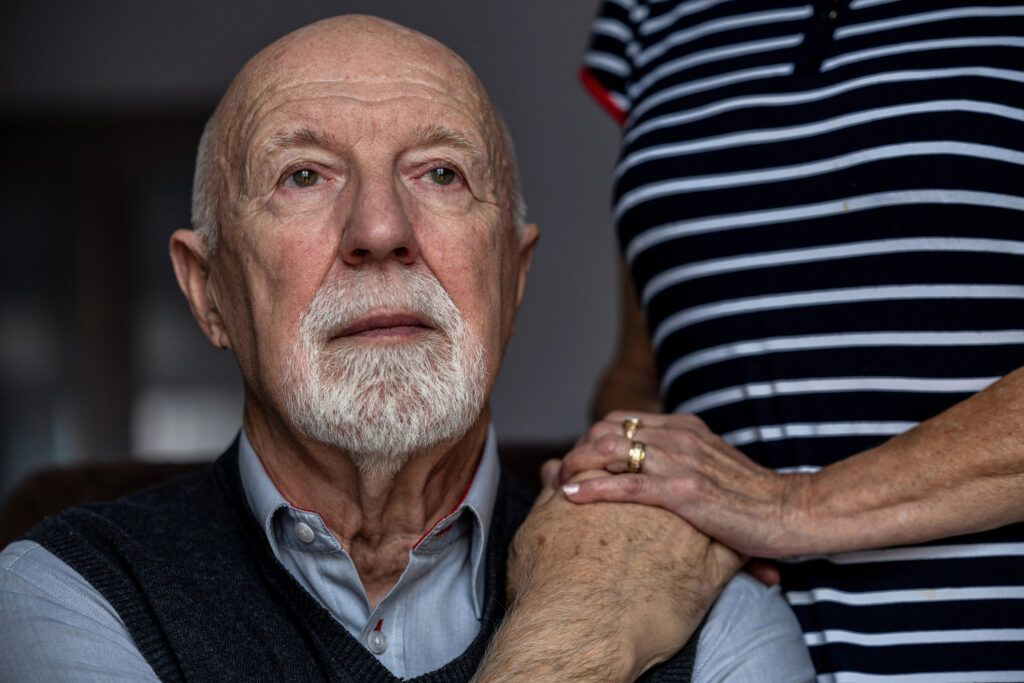
After being diagnosed with cancer, your parent may be hearing from more people than ever before. Friends send cards, relatives stop by, neighbors call to check in, and everyone asks how they’re feeling. Yet despite all that attention, they may still experience a deep sense of loneliness.
That can leave you wondering what more you could possibly do. You’re making time to visit. Others are offering encouragement. The medical team is providing excellent care. Why would someone surrounded by so much kindness still feel alone?
The answer isn’t about how many people are present. It’s about the reality that cancer is an experience no one else can fully live on your parent’s behalf. Once you understand that, it becomes easier to support them in ways that truly matter.
There Are Feelings Words Can’t Always Express
Receiving a cancer diagnosis brings thoughts and emotions that are difficult to describe. Even if your parent wants to explain exactly what they’re experiencing, they may struggle to find the right words.
You can listen with compassion, ask thoughtful questions, and offer reassurance, but there are still parts of this journey that only your parent can experience firsthand. Recognizing that doesn’t create distance between you; it creates understanding.
The Rest of the World Doesn’t Stop
Life after a cancer diagnosis often revolves around appointments, treatments, and waiting for the next step. Meanwhile, everyone else’s routine continues much as it always has.
People go to work. Children head off to school. Weekends come and go.
Your parent may feel as though time has slowed for them while everyone around them keeps moving ahead. That difference in perspective can be surprisingly lonely, even when they’re surrounded by people who genuinely care.
They May Be Carrying More Than You Realize
Parents have a remarkable way of continuing to protect their children, even when they’re the ones facing serious health challenges.
Your parent may avoid talking about their fears because they don’t want to upset you. They may minimize how difficult treatment has been or insist they’re doing better than they really are. Although those responses are well-intentioned, they can leave your parent carrying an emotional burden they were never meant to shoulder by themselves.
Resist the Urge to Fix Everything
When someone you love is hurting, your first instinct is often to make things better. You want to offer encouragement, provide answers, or help them focus on the positive.
Sometimes, though, the greatest gift is simply giving your parent permission to say, “Today is hard.” Listening without rushing to solve the problem lets them know they don’t have to hide their feelings or pretend everything is okay.
Just Being There Matters
Your parent isn’t likely to remember every encouraging word you offered.
They will remember that you showed up. They’ll remember sitting together on the porch, sharing lunch after an appointment, or spending a quiet afternoon enjoying each other’s company. Those moments communicate love in a way that words alone often cannot.
Follow Their Lead
Some days your parent may welcome a long visit filled with conversation. On other days, they may simply appreciate knowing someone is nearby.
Pay attention to what they need in the moment rather than feeling obligated to fill every silence. Respecting those changing needs allows your parent to feel supported without feeling pressured.
A Friendly Face Can Make All the Difference
No one should have to face cancer feeling alone. A warm conversation, a familiar face, and someone who genuinely enjoys spending time together can brighten even the most difficult days.
At Compassionate Care Home Health Services, our caregivers provide friendly companionship that helps older adults stay connected, encouraged, and supported at home. If someone you love could benefit from our in-home cancer care services throughout Traverse City, Cadillac, Saginaw or anywhere else in Northern or Central Michigan, reach out to us any time at 877.308.1212. We’d be honored to become part of your support system.